Planning a Memorial Service Without a Traditional Funeral
More Cleveland families today are choosing to honor loved ones with a memorial service rather than a traditional funeral. It's a shift that reflects how personal, flexible, and meaningful farewells have become in recent years. A memorial service allows families to gather, share memories, and celebrate a life in ways that feel authentic to who their loved one truly was, without the formality or structure of a conventional funeral.
If you're considering this option for a family member or planning ahead for yourself, understanding how memorial services differ, what they can include, and how to design one that feels right can bring both clarity and comfort during a challenging time.
What Makes a Memorial Service Different
The most notable difference between a memorial service and a traditional funeral is that the body of the deceased is not present at a memorial service. This distinction opens the door to significant flexibility in timing, location, and format. Without the logistical considerations that come with a body being present, families have far more freedom in how, when, and where they choose to gather.
Memorial services can be held days after a passing or weeks and even months later, allowing extended family and friends time to travel, prepare, and be fully present. This flexibility is especially valuable for families with loved ones scattered across the country or overseas.
Many families choose to hold a memorial service after cremation has taken place. Reviewing the available cremation packages can help you understand how cremation and a later memorial service can be thoughtfully coordinated to give your family the time and space you need.
Choosing the Right Location
Because a memorial service isn't tied to a funeral home or church in the traditional sense, families can choose almost any location that feels meaningful. Some prefer the warmth and familiarity of a family home, while others choose community centers, restaurants, or event spaces that can accommodate larger gatherings.
Outdoor locations are also popular choices. A park, garden, lakeside setting, or even a favorite hiking trail can provide a beautiful backdrop for remembrance. For loved ones who cherished the outdoors, holding a service in a natural setting can feel deeply appropriate and healing.
Places of worship remain a meaningful option too, particularly for families who want to include religious elements or honor their loved one's faith community. The location often sets the tone for the entire gathering, so it's worth taking time to choose a place that reflects the person being remembered.
Designing the Service
One of the most beautiful aspects of a memorial service is the freedom to design it in a way that truly honors your loved one. There's no required structure and no set order of events, which means every memorial service can be as unique as the person it celebrates.
Sharing Stories and Memories
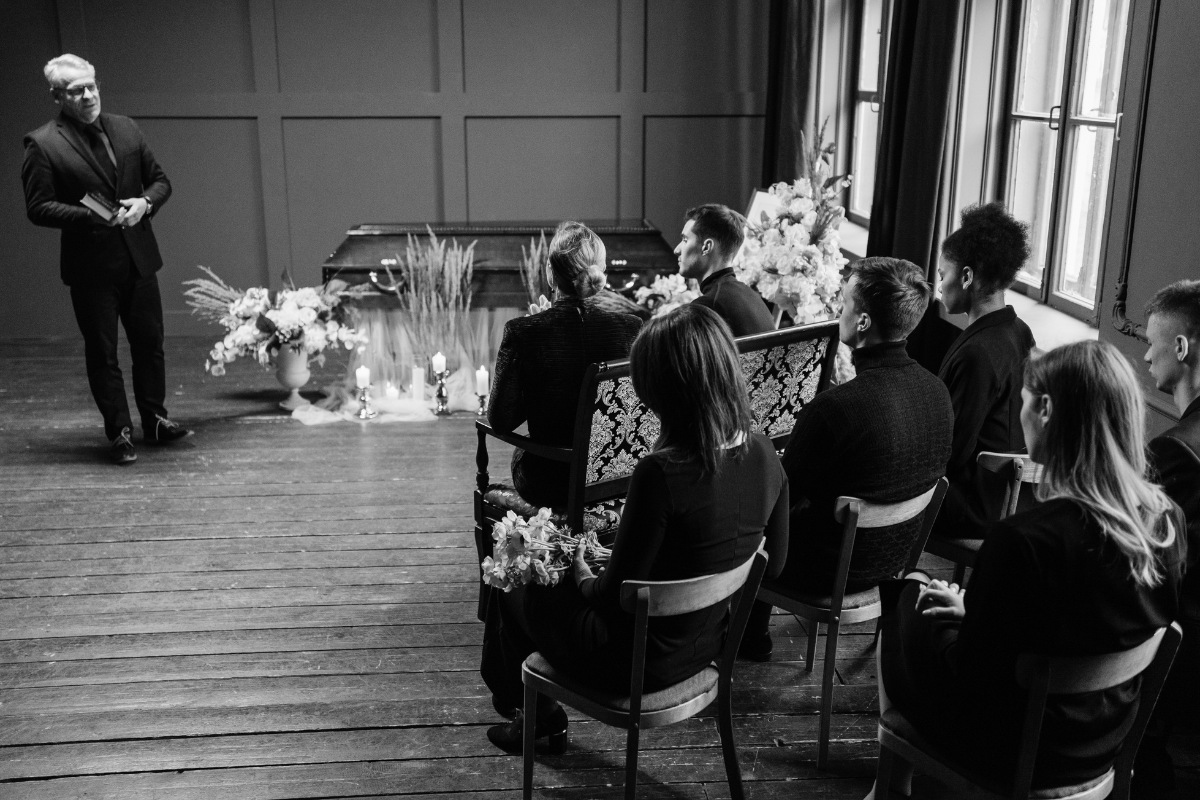
At the heart of most memorial services is the sharing of stories. Family members and close friends often take turns speaking, offering memories, reflections, and even humor. Some families organize this as open microphone time, while others invite specific people to prepare remarks in advance. Either approach can create powerful moments of connection and remembrance.
Music That Speaks to Their Life
Music has a way of reaching places that words cannot. Choosing songs that were meaningful to your loved one, whether from a favorite artist, a beloved hymn, or a piece of instrumental music, can bring depth and emotion to the gathering. Some families create playlists that play softly throughout the service, while others plan specific musical moments for reflection.
Visual Tributes
Photo displays, slideshows, and video tributes are wonderful ways to celebrate a life. Gathering images from throughout your loved one's journey helps guests connect with different chapters of their story. Memory tables filled with meaningful objects, awards, hobbies, and personal items can also serve as beautiful conversation starters that spark memories among those who attended.
Personal Touches
The details often matter most. Serving your loved one's favorite foods, decorating with their favorite flowers, incorporating hobbies or interests into the setting, or wearing a color they loved can transform an ordinary gathering into something deeply personal. These touches remind everyone present of who this person was in the small, everyday moments of life.
Incorporating Faith or Cultural Traditions
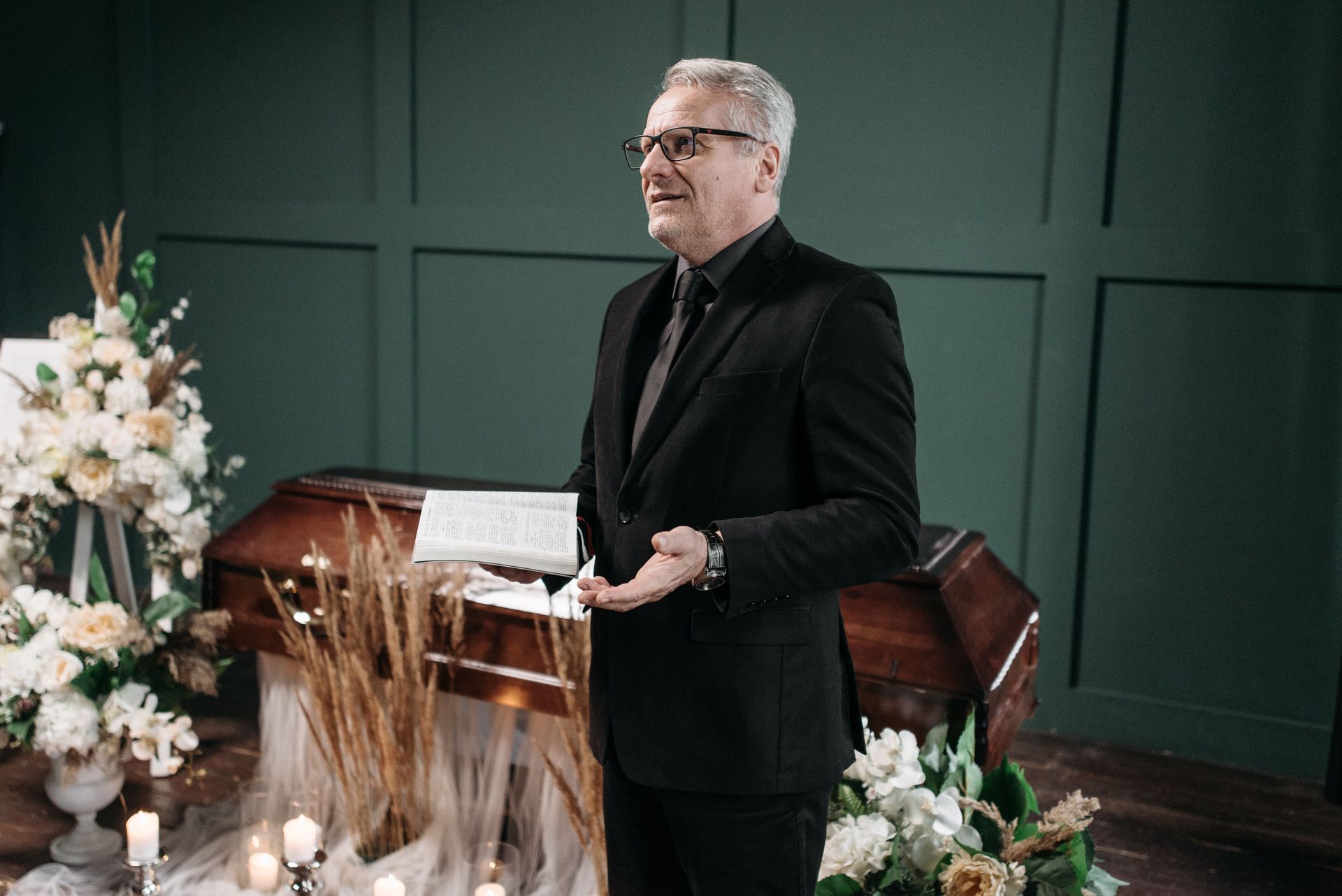
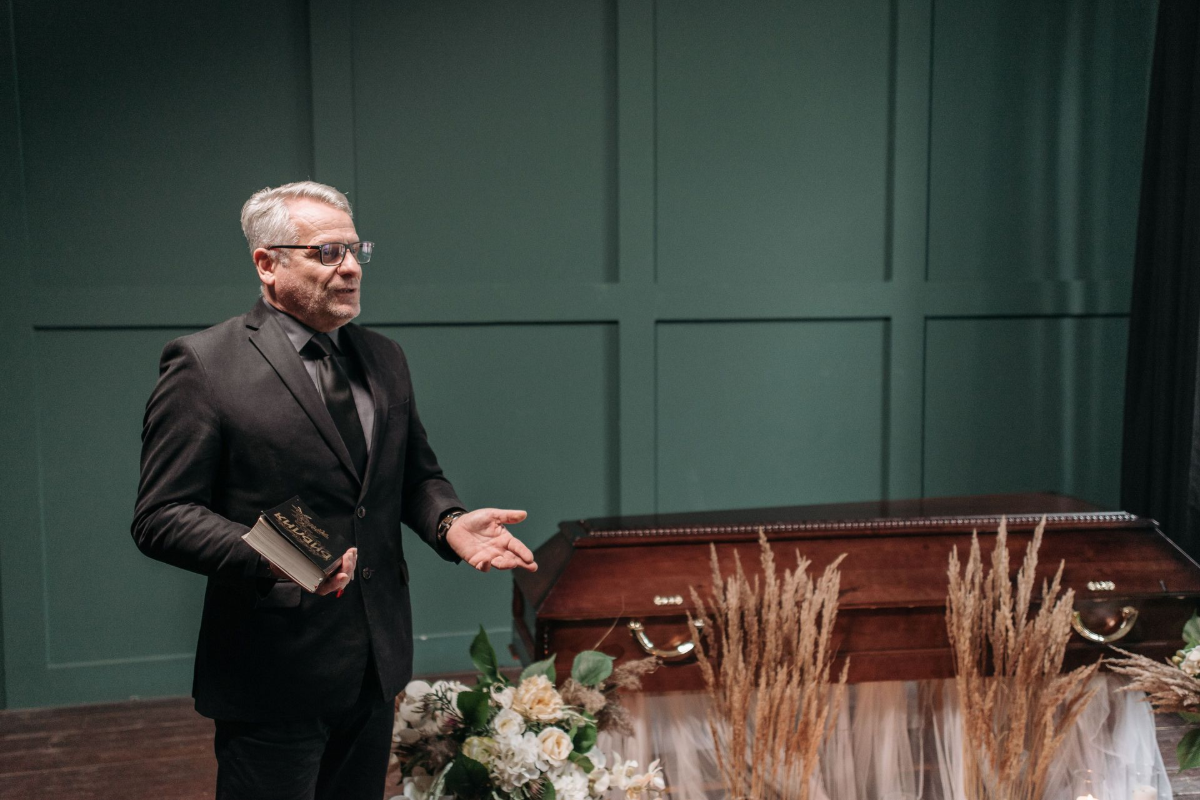
Just because a memorial service is less formal than a traditional funeral doesn't mean it can't include meaningful spiritual or cultural elements. Many families weave in prayers, scripture readings, blessings, or cultural rituals that were important to their loved one. Clergy members, spiritual leaders, or trusted friends can be invited to lead these portions of the service.
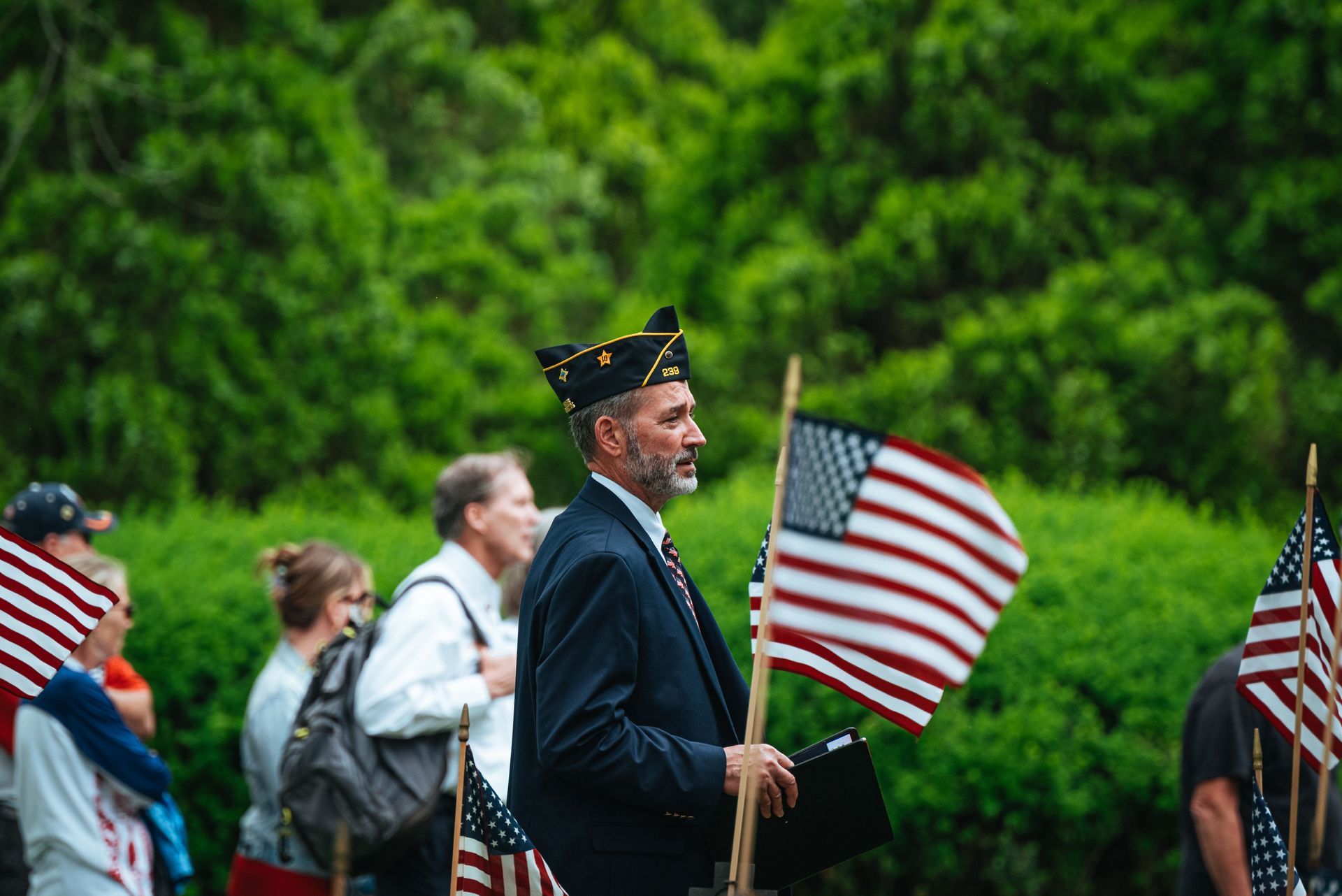
For families whose loved one served in the military, incorporating veterans services into a memorial gathering ensures that their service to the country is honored with the respect it deserves. Military honors can be arranged even when the service takes place weeks after the passing.
Practical Considerations for Planning
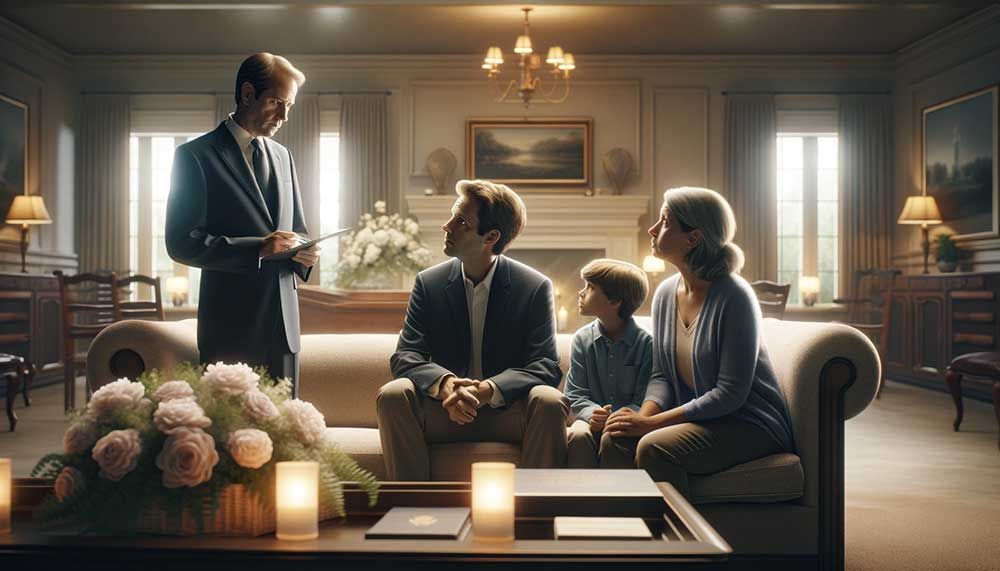
While memorial services offer flexibility, they still involve planning and coordination. Considerations include the size of the guest list, seating arrangements, catering, audio and visual equipment, printed programs, and any transportation needs. Working with an experienced funeral director can make all of this significantly easier, as they can help coordinate details, connect you with trusted vendors, and ensure the day flows smoothly.
Some families also choose to combine a memorial service with elements of traditional funeral services, blending personal celebration with familiar rituals. There's no single right formula, and a compassionate director can help you find the balance that feels right for your family.
Supporting Each Other Beyond the Gathering
A memorial service can bring tremendous comfort and closure, but grief continues long after the last guest has left. In the weeks and months that follow, connecting with supportive resources can make a meaningful difference. Whether through community groups, faith communities, counseling, or trusted grief resources, having ongoing support helps families navigate the healing process together.
Checking in with each other regularly, marking anniversaries, and continuing to share stories about your loved one can all be part of keeping their memory alive in a healthy, meaningful way.
A Caring Guide for Your Family
Designing a memorial service that truly honors your loved one takes thought, care, and often a bit of guidance from someone who understands how to bring the vision to life. The compassionate team at Slone & Co. Funeral Directors has helped many Cleveland families plan memorial gatherings that range from small and intimate to large and celebratory. Whatever kind of farewell you envision, they're ready to listen and help make it happen. When you'd like to begin the conversation, a caring team member is here whenever you're ready to reach out.